
Table of Contents
The strategic adoption of dollar tree price point changes marks a profound shift in the landscape of U.S. discount retail, moving the brand well beyond its iconic $1 heritage. For nearly four decades, the single price point defined the Dollar Tree experience, offering consumers an easy way to budget and find simple, necessary items. Today, driven by inflation, tariffs, and evolving consumer habits, the company has embraced a multi-price model, introducing items at $3, $5, $7, and even higher in its “Dollar Tree 3.0” format. This transformation is not merely a change in pricing; it represents a comprehensive overhaul of inventory, merchandising, and target demographics, with significant implications for both core value shoppers and higher-income consumers seeking savings in an uncertain economy.
Current Financial Context
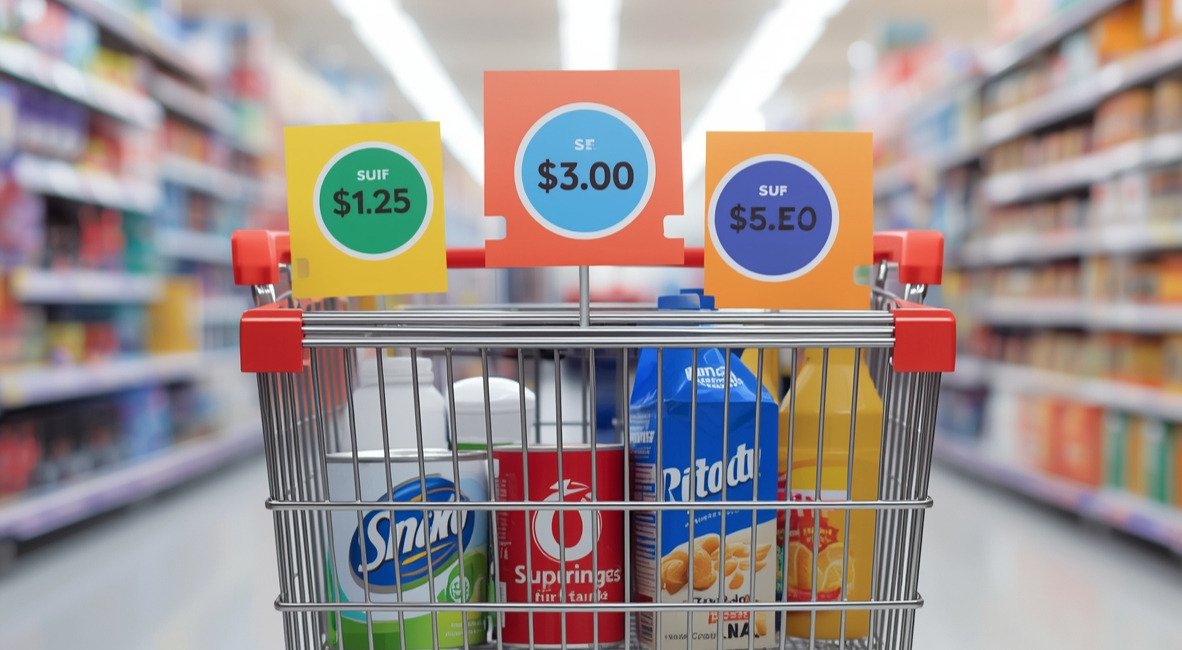
The primary driver behind the trend of dollar tree price point changes is the relentless pressure from global economic factors. After maintaining the $1 price for years, the company first shifted its base to $1.25 in 2022. However, continuous inflation, particularly in raw material and labor costs, made it economically unsustainable to limit all high-demand products to that ceiling. This forced the management to pivot toward a “multi-price” strategy to improve profitability and offer goods that were previously impossible to sell, such as larger, branded items. The timeline accelerated in 2024 and 2025, with the aggressive rollout of the Dollar Tree 3.0 format featuring $3 and $5 items, expanding to include $7 and even $10 selections. This strategic move has resulted in impressive financial momentum, as reported in the Third Quarter Fiscal 2025 results, with the higher-priced assortment proving highly attractive to a broader customer base. Specifically, this diversification allows Dollar Tree to compete more effectively with big-box retailers by offering superior value propositions in key categories.
What It Means for Americans
The continuous implementation of dollar tree price point changes has tangible effects on the purchasing power and budgeting strategies of millions of Americans, especially those who rely heavily on discount retail to stretch their budgets.
- Financial Effects: The expansion of higher-priced items ($3-$7) means the “average ticket” is increasing, challenging the predictability of the store as a single-price destination. While shoppers get access to better quality or larger units, they must now budget carefully and monitor shelf tags to avoid unexpected costs at checkout.
- Consumer Impacts: The shift has attracted a significant portion of higher-income shoppers (those earning over $100,000 annually), who are trading down from traditional retailers due to persistent inflation. This trend, largely driven by the dollar tree price point changes and expanded assortment, can increase competition for high-value items, potentially leading to inventory issues for the store’s core, low-income customers.
- Risks & Opportunities: The primary risk is the potential dilution of the “value brand” identity if core customers feel alienated by the focus on multi-price tiers. The opportunity, however, is clear: Dollar Tree can now offer higher-margin, essential, and discretionary products, boosting its financial performance and providing consumers with new value options.
- Payment Implications: While not directly tied to payment systems, increased spending at Dollar Tree means less discretionary cash for other expenditures. Value shoppers should utilize budgeting tools to track their overall spending at all retailers, regardless of the individual item price, ensuring total household expenses remain within limits.
- Real-World Money Relevance: The move directly reflects how consumers across all income levels are adjusting their spending habits to combat the current cost of living crisis. The popularity of the multi-price items indicates a strong demand for value-driven purchasing, even if it means exceeding the $1.25 barrier for better or larger products. Review our guide on maximizing savings during high-inflation periods.
- External Authoritative Link: For detailed financial data and corporate strategy regarding these pricing shifts, refer directly to the company’s publicly available reports, such as the latest quarterly filings: SEC.gov.
Market & Economic Reactions
The market’s response to the strategic dollar tree price point changes has been overwhelmingly positive. Following the release of robust Q3 2025 earnings, which confirmed the success of the multi-price model, the stock (DLTR) saw a significant rally. Investors and analysts view this pivot as a necessary and profitable evolution, giving the company the flexibility needed to manage high input costs, tariffs, and supply chain volatility while simultaneously capturing a wider, more affluent customer demographic. This is a clear example of a retailer successfully adapting its strategy in response to sustained inflationary pressures that have elevated consumer prices across the board. The success validates the concept that value-seeking behavior is now widespread, not just confined to lower-income segments. Economist viewpoints suggest this shift in discount retail is a key indicator of the current economic climate, where consumers are highly sensitized to price differences across categories, forcing traditional retailers to reconsider their own pricing power and promotional strategies. The increased average transaction size at Dollar Tree, coupled with increased margins, demonstrates strong execution of a risky but ultimately rewarding strategic transformation.
Bottom Line
The continued trend of dollar tree price point changes is a microcosm of the current U.S. economy, where value is the ultimate commodity for every consumer segment. For shoppers, the change requires a mental reset: Dollar Tree is no longer a fixed-price store, but a highly competitive value retailer. The introduction of products up to $7 and beyond offers more choice and quality, but demands greater vigilance from budget-conscious shoppers. By successfully introducing these new price points, the company has improved its financial health, securing its long-term stability and increasing its appeal to investors. Consumers benefit from a wider, higher-quality assortment, provided they remain focused on their core budgeting principles. Keep watching for further price expansions and store conversions, as this strategy is expected to be a key driver of growth for the company well into the future.
FAQ
What are the current Dollar Tree price point changes?
The primary base price remains $1.25 for most core products, but the dollar tree price point changes include a significant expansion of the multi-price assortment, featuring items at $3, $5, $7, and even up to $10 in the Dollar Tree 3.0 format stores.
Why did Dollar Tree abandon its $1 price point?
Dollar Tree abandoned the $1 price point primarily due to intense inflationary pressures and increased freight and labor costs, which made it impossible to source certain quality merchandise while maintaining profitability at the original price.
How does the multi-price strategy affect consumers’ savings?
While the average cost per item rises, the multi-price strategy offers consumers larger package sizes or better quality products that may be cheaper than the equivalent item at a traditional supermarket, potentially leading to overall savings on the full basket of goods.
Is Dollar Tree aiming to attract higher-income shoppers?
Yes. Corporate statements and recent financial results (Q3 2025) indicate that the expanded assortment and price point changes are successfully attracting higher-income households (earning over $100,000) who are now actively seeking value.
Are all Dollar Tree stores converting to the multi-price format?
Dollar Tree is aggressively rolling out the multi-price “3.0” format, which currently includes over 5,000 stores. Management has signaled that the multi-price mix will become “meaningfully higher” than current levels as conversions continue across the chain.
What should consumers look for when shopping at the new Dollar Tree stores?
Consumers must actively check the shelf price tags, especially in the Dollar Tree Plus sections, and compare the value of the larger multi-price items against local competitors to ensure they are getting the intended bargain.